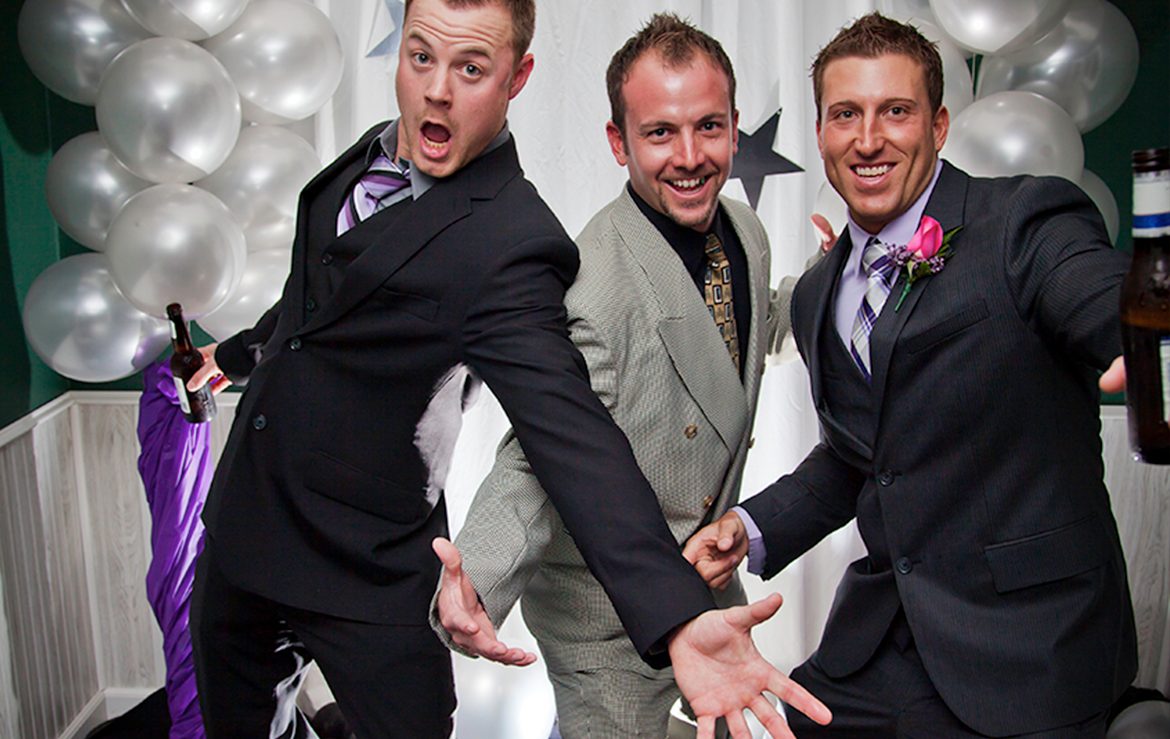
Candid event photography is not a photographer hiding in a corner and hoping something happens. It is attentive coverage with a light footprint: learn what matters, read the room, anticipate the next beat, and step in only when a little direction will genuinely help.
What “candid” should mean
The strongest candid images feel unforced, but they are rarely accidental. A photographer watches where people gather, notices who keeps making the table laugh, and recognizes the half-second before a hug. Position, timing, and light are deliberate. The expression is allowed to remain human.
It also does not mean that every frame must be completely unposed. Most events benefit from a few calm, directed photographs of the host, speakers, sponsors, family, or team. Those anchor images do a practical job. The rest of the coverage can breathe around them.
The camera should understand the gathering without becoming the gathering.
Start with the reason people are there
Before discussing a shot list, name the purpose of the event in one sentence. A company anniversary is about people and history. A fundraiser is about community, cause, and participation. A birthday may be about one person, but the story lives in the relationships around them. That sentence becomes a filter for what deserves attention.
Tell the photographer what would make the gallery feel incomplete. Is a relative traveling into Chester for the first time in years? Is a Richmond nonprofit recognizing volunteers? Will a founder make an announcement? These facts are more useful than asking for “lots of candids.”
Make a people map, not a face-by-face assignment
A giant list of names can turn natural coverage into a scavenger hunt. A short people map gives context while leaving room to notice. Include:
- The host and the two or three people who can answer questions quickly.
- Guests who traveled far, are being honored, or are central to the story.
- Important relationships the photographer would not know by sight.
- Anyone who should not be photographed or whose images should stay private.
- The correct names and roles of speakers, performers, vendors, and sponsors.
If possible, point out priority people in person at the start. A phone snapshot or one designated helper can also prevent the awkward job of matching names to strangers while the event is moving.
Build the gallery around five anchors
A complete event story usually needs more than smiles. I think in five broad anchors: place, people, purpose, transitions, and release.
- Place: the exterior, room, signs, table details, and wide frames that establish where everyone is.
- People: arrivals, greetings, conversations, reactions, and a few clean portraits.
- Purpose: the speech, performance, toast, presentation, meal, ceremony, or activity everyone came to share.
- Transitions: the moments between scheduled moments, when people move, reset, and connect.
- Release: the final laugh, goodbye, dance, cleanup, or quiet room that gives the story an ending.
These are not five rigid folders. They are a way to notice when a gallery has plenty of close expressions but no sense of space—or beautiful room photographs but no evidence of why the night mattered.
Protect the atmosphere without sacrificing the light
Richmond and Chester events can move from a bright patio to a dark dining room in minutes. Historic interiors, restaurants, hotel rooms, offices, community halls, and private homes all handle light differently. A photographer should be ready to work with window light, existing fixtures, and discreet flash rather than force one look everywhere.
Flash is not automatically harsh or disruptive. Used with restraint, it can preserve skin tone, stop motion, and keep an evening gallery from becoming a set of muddy orange shadows. The useful question is not “Do you use flash?” It is “How do you make your lighting fit the room?”
Give the formal photographs one clean window
Directed group photos are easiest when they have a time, a location, and a person responsible for gathering everyone. Put that ten- or fifteen-minute window before priority guests scatter. Choose a background away from the bar line, kitchen doors, speakers, and foot traffic.
Keep the list short: the combinations people will actually value or need. Once those frames are secure, guests can return to the event and the photographer can return to observation. That is far less intrusive than stopping the same people repeatedly through the night.
A timeline needs breathing room
A minute-by-minute schedule is helpful for ceremonies and presentations, but candid coverage depends on the spaces between them. Share the real timeline, then flag what is fixed and what is flexible. Build in a few minutes for room details before guests enter, greetings after arrival, and conversation after the main program.
If two important moments happen in different rooms at the same time, make that choice before the event. No photographer can document a toast upstairs and a surprise entrance downstairs in the same second. Clear priorities protect the story.
Guest comfort belongs in the plan
Natural expressions are easier when people do not feel hunted. Distance, quiet movement, and knowing when to lower the camera matter. So does honoring a guest who signals that they would rather not be photographed. For events involving children, private health information, sensitive ceremonies, or vulnerable communities, the organizer should set consent and sharing rules in advance.
Tell guests that photography is happening when appropriate. If the final images will be used for advertising, press, fundraising, or broad social distribution, discuss notices and releases with the event organizer or legal adviser. A beautiful photograph is not a substitute for clear permission.
Questions worth asking an event photographer
- How do you balance candid coverage with the group photos we need?
- How do you work in dim rooms and mixed indoor-outdoor light?
- What do you need from our venue, planner, or point person?
- How do you handle guests who do not want to be photographed?
- What usage rights are included, and can our partners or sponsors use the images?
- How are files backed up during and after the event?
- What happens if the schedule changes or the event runs longer than planned?
The answers should be specific enough to reveal a process. They do not need to sound complicated. Calm plans are usually made of small, clear decisions.
The organizer’s one-page brief
You can prepare excellent coverage with one page. Include the address and access instructions, start and end times, parking or loading notes, the working timeline, priority people, three must-have moments, the intended use of the photographs, and one on-site contact. Add any venue restrictions and a rain plan for outdoor portions.
That is enough structure for a photographer to arrive prepared without scripting every interaction. The goal is not to manufacture spontaneity. It is to make sure there is room to see it.